
Winter Road Safety: A Complete Guide to Cold-Weather Driving
Winter driving poses a slew of risks. Vehicles can slip on black ice, fog can impede vision, and strong winds can affect maneuvering. Practicing defensive, safe driving on the road can help reduce the risk of an accident and protect those around you.
By learning about proactive winter driving practices, you can better equip yourself for a safe driving experience, no matter the weather.
- The 3 P’s of Safe Winter Driving
- What to Know Before You Go
- Preparing Your Vehicle for Winter Roads
- Essential Winter Driving Safety Tips to Protect Yourself and Your Vehicle
- How to Drive in the Snow and Share the Road With Other Vehicles
- What to Do in an Emergency
- Additional Resources
- Understanding Winter Weather Driving
The 3 P’s of Safe Winter Driving
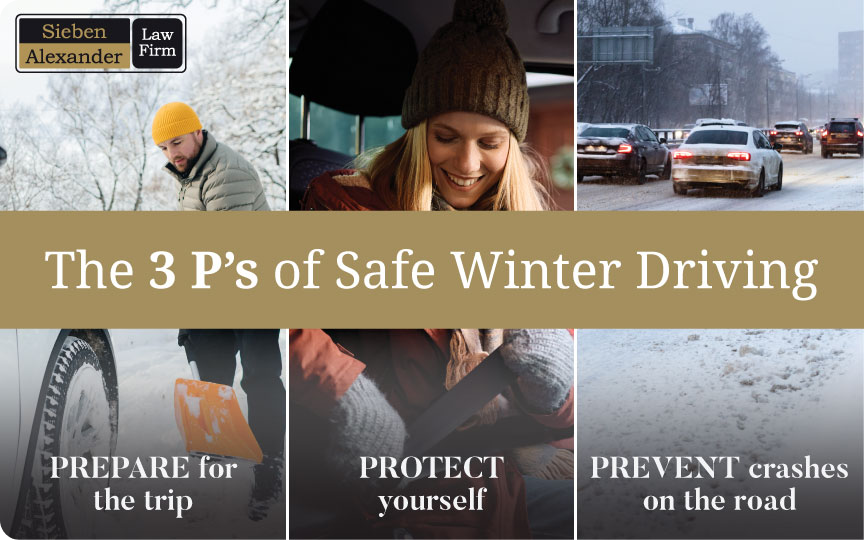
There are three main reminders of safe winter driving: Prepare for the road, Protect yourself, and Prevent crashes.
Prepare for the Road
Safe driving begins before you get behind the wheel. Preparing for road conditions and knowing your plan can significantly increase the likelihood of safe travels and minimize the risk of an accident. Cellphones have become the new GPS for getting from here to there. However, signals can weaken, and electronics may die. Knowing your route beforehand and having alternative routes in case of a blockage can help you avoid getting lost.
If you frequently travel in an area where snowstorms, icy roads, and rainfall can occur, it is highly recommended to keep the following items in your car:
- Ice scraper
- Shovel
- Kitty litter or sand
- A physical map
- Phone charger
- Blankets and coats

Protect Yourself
On average, 47% of people who die in car accidents were not wearing their seatbelts. Fastening your seatbelt before travel is always essential, whether it is a sunny day or a snowstorm. Similarly, parents and caretakers should practice proper child safety, including ensuring that children are in a correctly fitted seat for their age and size with their belt fastened securely.
Prevent Crashes
When we first begin studying for our driving test, we are reminded time and time again to practice defensive driving. While this often refers to how you maneuver your vehicle, it also suggests staying focused and alert. Unfortunately, many drivers disregard this wisdom and operate their vehicles while distracted or impaired. According to the National Highway Traffic Safety Administration, or NHTSA, distracted driving killed 3,308 people in 2022. Similarly, 12,429 people died in alcohol-impaired traffic deaths in 2023.
What to Know Before You Go
One study by the Federal Motor Carrier Safety Administration, or FMCSA, found that vehicles behind on maintenance were 65% more likely to crash. It is vital to check your car’s integrity before getting on the road. For instance, keep up with oil changes, replace worn tires, and check any dashboard warning lights.
Monitor the Road Conditions
In such a stop-and-go society, many drivers may believe they can safely maneuver their vehicles even in the worst weather. However, this is false. There are numerous types of road conditions that, depending on their severity, could put you and others at risk of harm, including heavy rainfall, thick fog, snowstorms and blizzards, and hail.

Be On the Lookout for a Winter Weather Travel Advisory:
Just because a travel advisory warning has not been issued does not mean the roads are safe. Always practice good judgment and ask yourself whether current conditions could affect safety.


Preparing Your Vehicle for Winter Roads
Proper vehicle maintenance is among the most important elements of safe driving. If your car is not prepared to handle slippery roads or foggy weather, it can greatly increase the risk of an accident.
Keep Your Batteries Charged and Your Gas Tank Full
When air temperatures drop, so does battery power in vehicles. For EV Vehicles, it is important to maintain battery charging to minimize drain. Drivers of gas-powered vehicles should try to keep their tanks full to avoid running out unexpectedly and becoming stranded.
Lights & Safety Technologies
It is not uncommon to see a vehicle pass by with one headlight out. Often, drivers are either unaware of the issue or believe they can put off fixing it. This not only puts you at risk of a hefty ticket, but also places you and those around you in danger of an accident.
Regular maintenance can ensure your vehicle’s lights are in working order, which can be extremely important when brights are needed during a storm or foggy weather. Many modern-day vehicles have built-in safety technologies that further increase security. Drivers should familiarize themselves with their vehicles’ systems and how to respond to various emergencies.
Tires & Windshield Wipers
Low temperatures cause tire pressure to drop. While this is something you can expect and does not necessarily require concern, you should still inspect and monitor your tires. If tire pressure is dropping to unsafe levels, it could indicate a leak. Windshield wipers play an essential role in safe driving, especially when navigating heavy rain and snow. Keep windshield wiper fluid full and never put off getting a broken wiper fixed.
Essential Winter Driving Safety Tips to Protect Yourself and Your Vehicle
The following tips will help you cultivate a safe driving environment for yourself and others on the road.
- Ensure visibility by maintaining lights and wipers.
- Wear your seat belt.
- Stay alert and do not drive distracted.
- Turn off the cruise control.
- If you have a child, make sure they are securely buckled into their car seat.
- Be patient with other drivers around you.
- Stay on the lookout for snowplows.
- Practice mindfulness to reduce stress and road rage.
- Always check your blind spots before changing lanes.
Tips for Driving in Snow and How to Drive on Icy Roads
Snow, rain, and ice weather conditions can alter the driving experience. Taking further precautions to drive safely and defensively can reduce the risk of an accident.
- Before driving, clear all snow and ice from windows, mirrors, headlights, and the roof.
- Check your tires for low air pressure or damage.
- Use windshield wipers and lights in low-visibility conditions.
- Adjust your speed in accordance with limits and road conditions.
- Accelerate and brake slowly to avoid skidding.
- Use smooth, gradual steering movements to prevent losing traction.
- If your car has an anti-lock braking system, or ABS, press and hold the brakes; do not pump.
- If there is no ABS, pump the brakes gently and steer.
If your vehicle begins to skid, remain calm, ease off the gas, and steer in the direction you want to go. Similarly, if you are stranded, you should always stay in your vehicle. We will take a closer look at emergency situations below.
It is common for local management teams to use salt to reduce the risk of slippery roads. However, salt can become less effective in extremely cold weather, and roads may remain slick until temperatures increase. Because of this, you never want to fully assume that the roads are safe for regular driving. Always be cautious and use slow, gradual movements when ice is present.

How to Drive in the Snow and Share the Road With Other Vehicles
When you enter a local road or highway on any given day, you may have to maneuver around numerous other vehicles. A few ways that you can practice safe road-sharing with other drivers during inclement weather include the following:
- Turn on your headlights.
- Increase your following distance; stay at least ten cars back.
- Slow down to a safe speed for current conditions.
- Use predictable and slow movements.
How to Safely Share the Road With Snowplows
Snowplows are essential for clearing roads in snowy conditions. The Department of Transportation offers drivers key safety tips for sharing the road with these large vehicles, as snow plows and other large trucks have significant blind spots.

What to Do in an Emergency
If you find yourself in a weather-related emergency, you should take the following steps to prioritize your safety and the safety of those around you:
- Stay calm: Take a deep breath and assess the situation.
- Pull over safely: If possible, move your vehicle to the side of the road or a safe area.
- Turn on hazard lights: This alerts other drivers that you have stopped.
- Call for help: Contact emergency services or roadside assistance if needed.
- If stranded, stay in the vehicle: Your car provides shelter and protection from the elements.
- Keep your seatbelt fastened.
- Run the engine occasionally to warm up, but ensure the exhaust pipe is clear of snow.
- Use blankets, warm clothing, or anything available to stay warm.
- Make your vehicle visible: Use hazard lights, flares, or a bright cloth in the window if you have them.
- Conserve resources: Limit unnecessary movement and ration food or water if stranded for a long time.
What to Do if You’ve Been in an Accident or Multi-Car Pileup
Accidents, including multi-car pileups on interstates, can happen quickly and unexpectedly. If you are involved in one of these incidents, take the following steps to ensure safety:
- Stay calm and check for injuries: Ensure you and your passengers are safe.
- Move to a safe location if possible: Pull your vehicle out of traffic to avoid further collisions.
- Turn on hazard lights: This will alert other drivers.
- Call emergency services: Report the accident and request help if anyone is injured.
- Stay in your vehicle if it is unsafe outside: Only exit if it is safe, especially on busy highways.
- Exchange information: Share your insurance and contact details with other drivers when it is safe to do so.
- Document the scene: Take photos if possible for insurance purposes.
Additional Resources
- NHTSA Winter Driving Tips: Offers comprehensive guidance on preparing your vehicle, driving in snow and ice, and handling emergencies
- MN Winter Driving Tips – Minnesota DPS: Provides state-specific winter driving tips, including snowplow safety and road condition updates
- MN Winter Road Conditions – Minnesota DOT: Real-time information on road conditions, closures, and travel advisories across Minnesota
- OSHA Safe Winter Driving Guide: Focuses on workplace and personal vehicle safety during winter conditions, including emergency preparedness
- National Safety Council – Winter Driving Safety: Covers seasonal safety tips, vehicle preparation, and strategies for safe winter driving nationwide
Understanding Winter Weather Driving
Driving in winter weather can take unexpected turns and lead to dangerous situations. Practicing safe, defensive travel and staying aware of road conditions is key to minimizing accidents and injuries.